
THE MATERIAL COLLECTION / TRAVERTINE
Texture.
In its own rhythm.
Layered, graphic, or quietly mineral. Explore a travertine direction around the character you want a space to hold.
Discuss your requirements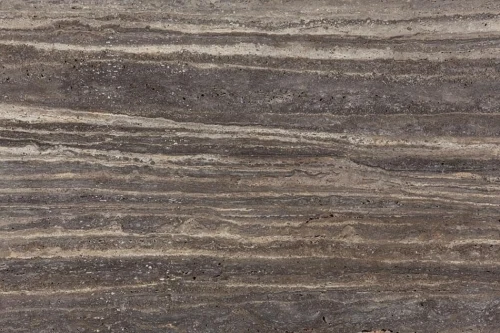
Bring texture into the specification.
Travertine is a type of limestone. The Natural Stone Institute notes that properties such as absorption vary within this family and that the stone is sensitive to mild acids. The intended use, finish, and care expectations should be considered with the actual material. Read the Natural Stone Institute’s travertine guidance
For a sourcing inquiry, explain whether the priority is a linear pattern, a more open visual field, a particular texture, or continuity across multiple elements. Include reference images and ask which cut and finish best support that direction.
Two distinctive references.
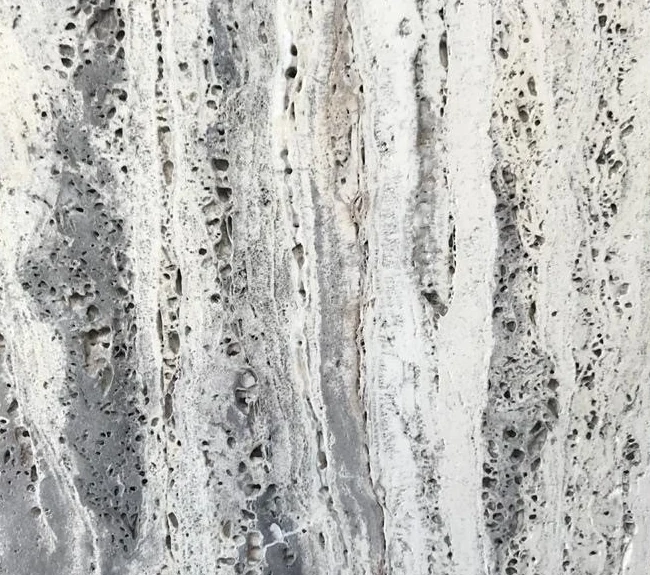
Silver Travertine offers a silver-grey reference with layered movement. Panda Travertine presents an ivory ground with bolder dark and grey contrast. Both are starting points from the supplier library; current lots establish the material that may be available for your project.
Ask about cut direction, filling, finish, usable dimensions, and how the proposed material reads over the full surface. A close-up may communicate texture while a full-slab image reveals a different scale of pattern.
Review the whole application.
- Where the stone will be used, including wet or exterior conditions if relevant
- Preferred cut direction, filling, finish, and texture
- Dimensions, quantities, adjoining materials, and layout priorities
- Installation team, delivery destination, and target schedule
Your design and installation professionals should assess suitability for the specific conditions. Confirm available technical information and the proposed material in writing before procurement. Samples and references do not replace a defined specification.
 Explore the collection
Compare Silver and Panda Travertine references.
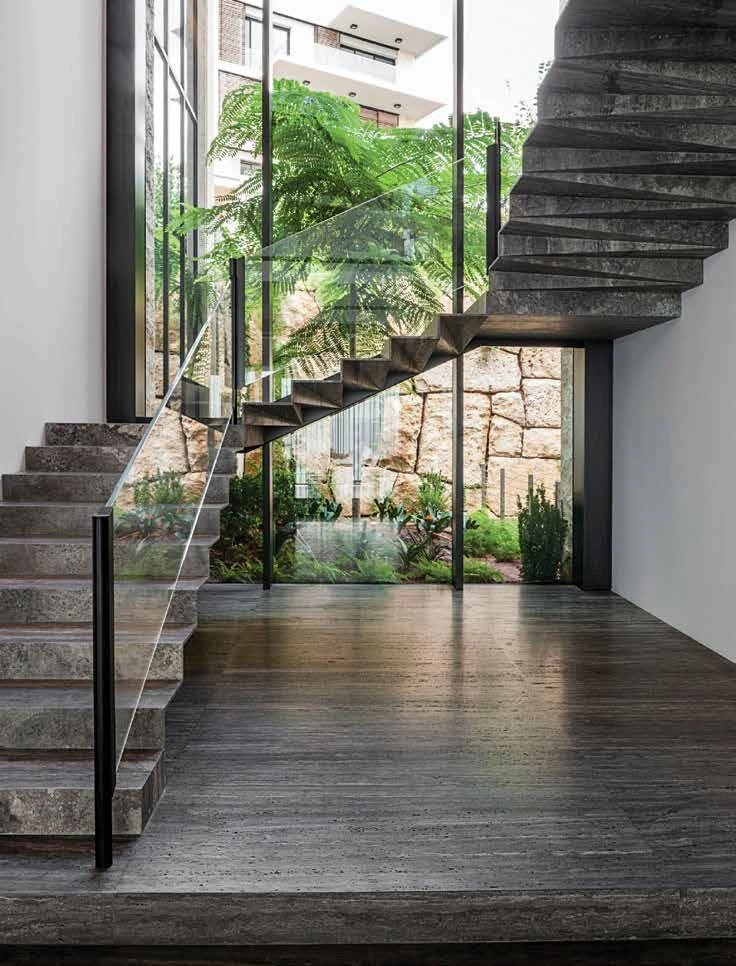 Cut-to-size stone
Develop the material around a particular element.
THE DETAILS THAT MATTER
A clear start.
Can I use the same travertine inside and outside?
Describe both applications so the material, finish, exposure, and installation requirements can be assessed. Do not assume that a visual match establishes suitability for every condition.
What should I ask about the finish?
Include the appearance and texture you want, then confirm cut direction, filling, finishing, and care requirements for the actual material.
YOUR NEXT MATERIAL DECISION
Bring your vision.
Start with a brief.
Share the material, quantity, destination, and timing. Let’s put your sourcing conversation in focus.